The October Daye series by Seanan McGuire is one of those urban fantasy institutions that has been quietly running for over fifteen years, accumulating devoted readers and a backlist that now clocks in at over twenty novels, novellas, and short story collections. Toby is a half-blood changeling detective navigating the politics of Faerie in a version of San Francisco where the fae live just behind a glamour that most humans never notice. The series is not romance-first, but there is a slow-burn love story threaded through it, and the fae court politics grow more Byzantine and more rewarding the further you go.
We want to be upfront about our bias here: this is a series that requires patience. The first book, Rosemary and Rue, is functional but unspectacular. Books two through four are where McGuire finds her voice, and by book five (One Salt Sea), we were reading at an unsociable pace. The spice level stays low throughout, the prose is atmospheric rather than lush, and the series rewards readers who care more about found family and court intrigue than heat. If you need a swoony MMC front and center from page one, this might not be your series. If you love an FMC who keeps getting magically injured and still shows up, you are going to be obsessed.
Below, we've organized a reading path through the series alongside companion reads that hit the same notes: fae characters, strong heroines, layered court politics, and found families that feel genuinely earned. The October Daye books themselves aren't in our current database, so we've built this as a guide to the series structure plus books that scratch the same itch while you wait for your holds to come in.
1,000+ romance books tagged by trope. Filter by spice, genre, and series length.
Start HuntingThe October Daye Series: Reading Order at a Glance
Start at book one and read in order. This is non-negotiable. McGuire plants details in book two that pay off in book twelve, and she does not summarize. The main series order is: Rosemary and Rue (1), A Local Habitation (2), An Artificial Night (3), Late Eclipses (4), One Salt Sea (5), Ashes of Honor (6), Chimes at Midnight (7), The Winter Long (8), A Red-Rose Chain (9), Once Broken Faith (10), The Brightest Fell (11), Night and Silence (12), The Unkindest Tide (13), A Killing Frost (14), When Sorrows Come (15), Be the Serpent (16), Sleep No More (17).
Content warnings that run throughout the series: blood magic (Toby literally uses blood to work most of her spells), references to child endangerment, fae bargains with genuinely awful consequences, death of side characters, and one particularly rough storyline around book eleven involving a family member. The series also handles PTSD in a way that feels grounded rather than decorative, which we appreciate but worth flagging if you're in a tender reading headspace.
The romance slow burn with Tybalt (a cat fae king, and yes he is as good as that sounds) takes several books to resolve. He falls first, demonstrably, and watching him figure out how to be patient with someone as self-destructive as Toby is its own kind of payoff. Spice level: closed door throughout, with increasing emotional intimacy.
If You Love the Fae Politics (Books 5–10 Energy)
The middle stretch of the series is where McGuire really gets into the architecture of Faerie: who owes what to whom, which courts are technically at war, what a "knight" can and cannot do to protect their liege. These companion reads hit those same levers.
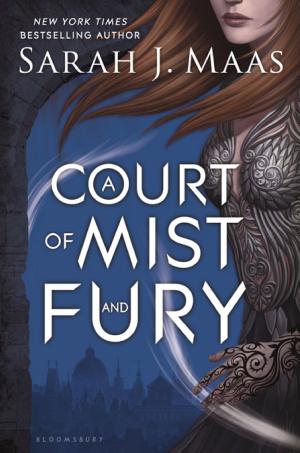
A Court of Mist and Fury
Where ACOTAR book one is a setup, ACOMAF is the series finding its full register. Feyre is pulled into the Night Court and into Rhysand's orbit, and the fae politics here are actually fae politics: debts owed across courts, alliances that cost something, power that comes with obligations. The found family that assembles around Feyre in Velaris is the emotional core of the whole series, and it earns every beat. The enemies-to-lovers arc runs hotter and more explicitly than anything in October Daye, but the underlying structure of a heroine figuring out how much she's worth inside a political system that wants to use her is very much the same.
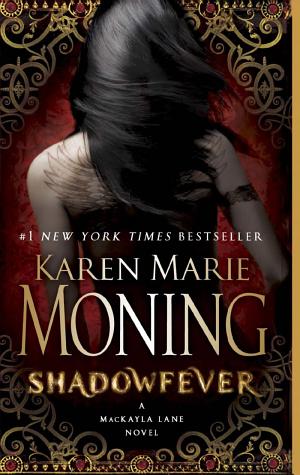
Shadowfever
The Fever series is the closest spiritual cousin to October Daye in the urban fantasy space. Mac Lane starts as a tourist in Dublin and ends as someone the fae genuinely fear, and that transformation is earned across five books of accumulating mythology and brutal consequence. Shadowfever is the conclusion of the original arc, where every secret McGuire, sorry, Moning has been holding back finally detonates. If you like Toby's tendency to walk directly into danger and survive by sheer stubbornness, Mac is your woman. The morally gray MMC here makes Tybalt look straightforward, which is saying something.
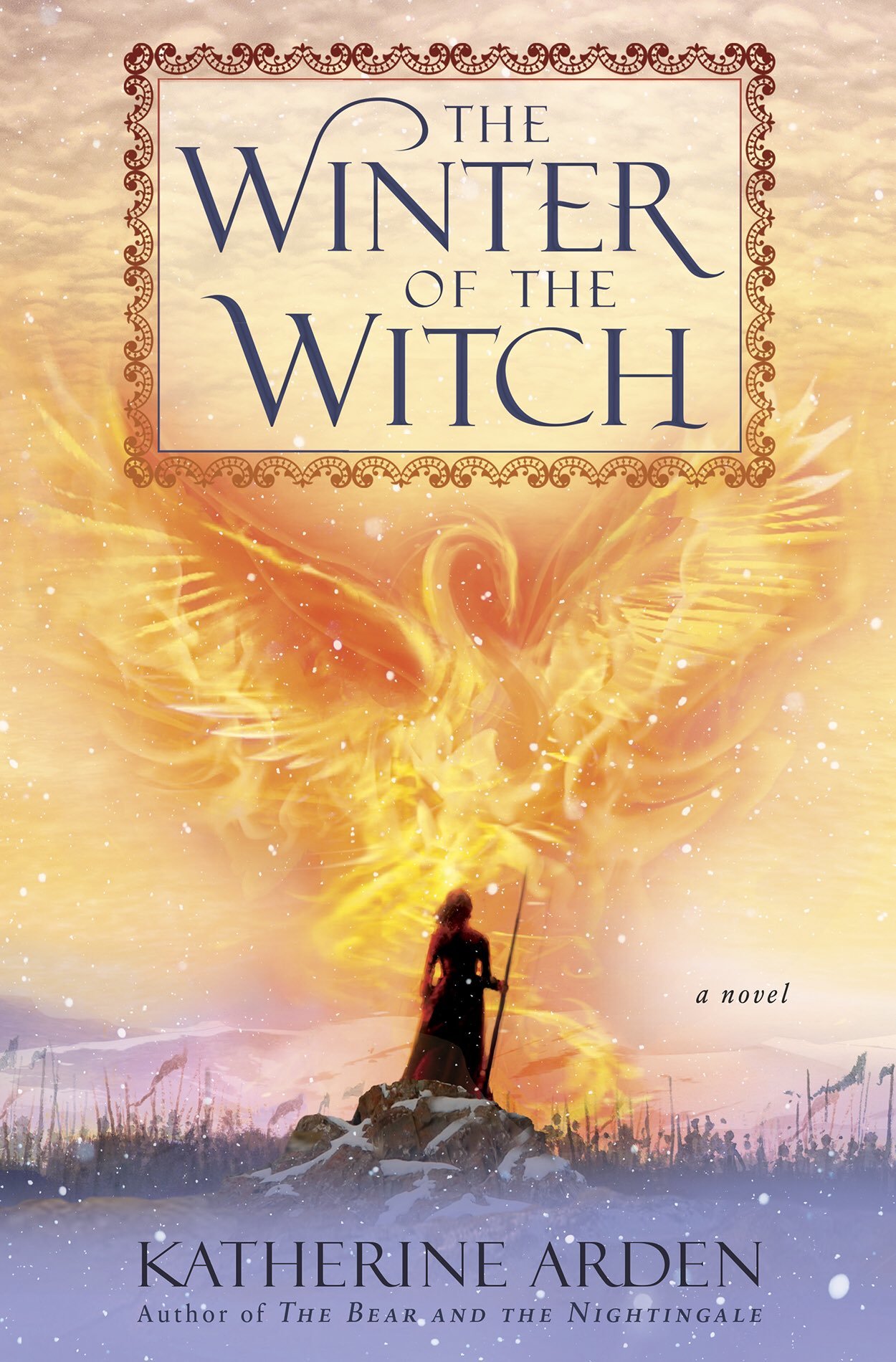
The Winter of the Witch
The Winternight Trilogy conclusion has the same quality as the later October Daye books: everything that was seeded in book one is flowering into something much stranger and more costly than you expected. Vasya is navigating between the Christian Russia closing in around her and the old spirits who need her to exist in a world that's trying to forget them. The fae-adjacent mythology, the politics of power at the boundary between two worlds, and the love interest who is genuinely inhuman and loves her for exactly who she is, all of it maps neatly onto what makes October Daye work. Warm spice level means this one is fully safe to read in public.
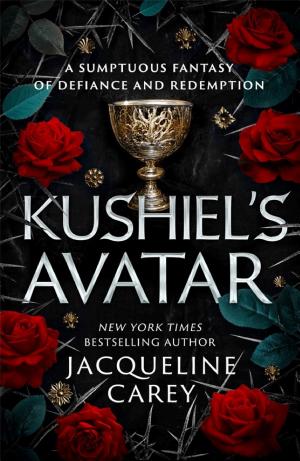
Kushiel's Avatar
Fair warning: Kushiel's Legacy is a commitment. The world-building is dense, the prose is formal, and the court politics require actual attention. But if you've read eight or nine October Daye books, you clearly have the appetite for a series that makes you work. Phèdre is a spy, a courtesan, and an anguissette (blessed/cursed to find pleasure in pain), and by Kushiel's Avatar she's been through two brutal questlines already and has to walk into something worse. The bodyguard romance with Joscelin is a decades-spanning slow burn that survives genuine rupture and genuine grief. Very high spice, including kink, but the emotional weight of the series is what stays with you.
If You Love the Found Family (The Shadowed Hills Crew)
One of October Daye's best sustained pleasures is watching Toby accumulate people she refuses to lose. Her squire Quentin, her fetch May, the Luidaeg, Connor, Jazz, Raj. The found family is not a subplot, it's the whole thesis of the series. These reads deliver the same warmth wrapped in similar stakes.
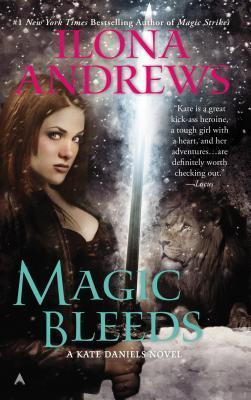
Magic Bleeds
Kate Daniels is the series most October Daye readers will tell you to read next, and they're right. Kate is a mercenary in a post-Shift Atlanta where magic and technology alternate in waves, and she has a secret about her bloodline that is the series' central slow reveal. Book four is where the Kate/Curran relationship stops circling and lands, and it's earned. The found family here includes a Pack of shapeshifters, a vampire who communicates through a human navigator, and a crew of misfits Kate keeps accidentally adopting. The humor is sharper than McGuire's, the spice steps up in this installment, but the basic appeal is identical: a stubborn FMC who would die for her people and occasionally nearly does.
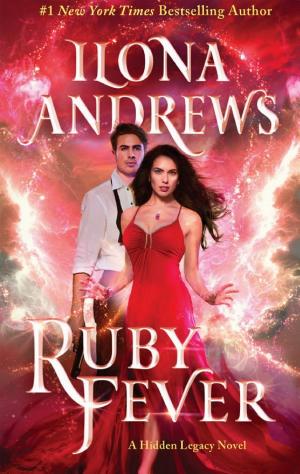
Ruby Fever
The Hidden Legacy series concludes here with Catalina and Alessandro facing down their most dangerous enemy, and it's a satisfying series finale in the way October Daye's later books are satisfying: you've invested in these people across thousands of pages and the payoff is proportional. The Baylor family is one of the best found families in paranormal romance, full stop. Catalina's powers are strange and specific and the series spends real time thinking through what those powers cost socially and emotionally. Read from book one of Hidden Legacy if you can; you'll appreciate Ruby Fever more for it.
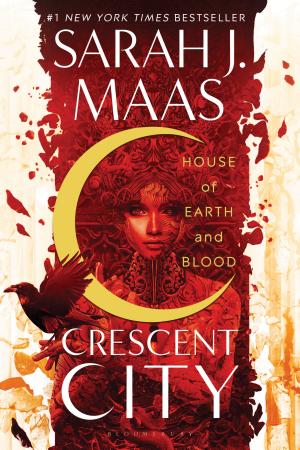
House of Earth and Blood
Crescent City is the most urban-fantasy-coded of Maas's series, which makes it the most natural cross-read for October Daye fans. Bryce Quinlan is a half-fae party girl who gets pulled into a murder investigation, and the world has the same quality as McGuire's San Francisco: a city with a hidden layer, fae and demons and Vanir living alongside humans under a fragile political compact. The found family Bryce has before the inciting murder is presented with enough detail that losing it hurts. The supernatural mystery structure of the plot will feel immediately familiar. Hunt Athalar is considerably more explicitly drawn as a love interest than Tybalt is in the early October Daye books, but he falls first in a way that is recognizable.
If You Love the Strong Heroine (Toby's Brand of Stubborn)
Toby is not invincible. She bleeds, she grieves, she makes decisions that reasonable people would not make. Her strength is specifically the inability to give up on people, which is a different thing from being powerful. These heroines have the same quality.
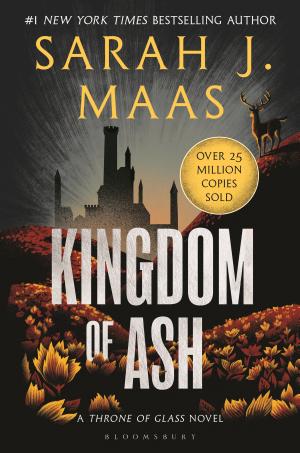
Kingdom of Ash
Aelin Galathynius's arc across seven books is the most sustained "heroine who keeps getting destroyed and keeps standing back up" story in the romantasy space. Kingdom of Ash is where every sacrifice comes due, and Maas does not flinch from the cost. If you've read the whole Throne of Glass series, this finale hits with the accumulated weight of everything that came before. The court politics are operatic rather than procedural (more epic fantasy than October Daye's tighter urban structure), but the emotional engine is identical: what does it cost to be the person who refuses to leave people behind? The found family assembled around Aelin by book seven is enormous and we cried for most of it.
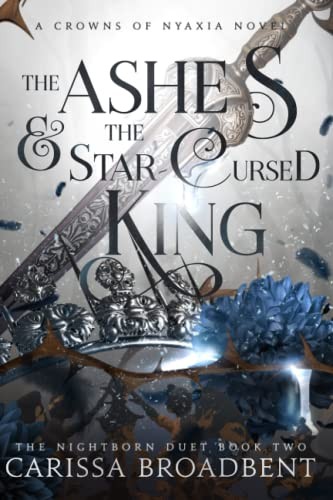
The Ashes and the Star-Cursed King
Oraya is a human raised in a vampire court by the king who murdered her people, and her story has the same quality as Toby's: she is surrounded by people with more power than her and she refuses to be manageable. The Ashes and the Star-Cursed King is where the court politics of the Crowns of Nyaxia series get properly vicious. Oraya has been through enough by book two that her trust is in ruins, and watching her navigate a political situation where she can't fully afford to trust anyone, including the person she's falling for, is gripping. The spice is genuinely spicy; Broadbent writes heat better than most. Content warning for violence and political imprisonment.
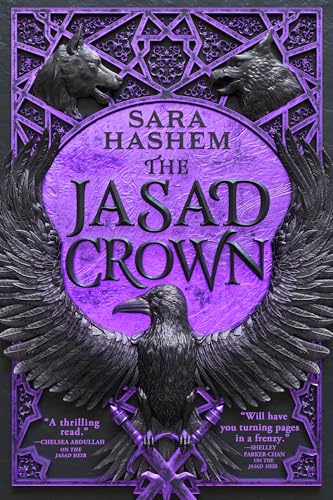
The Jasad Crown
Sylvia, the fugitive queen of Jasad, has spent the first book pretending to be someone she isn't inside a political system that would execute her for who she is. The Jasad Crown is the duology's conclusion, and it asks the question October Daye keeps asking from a different angle: what do you owe a people who need you when the cost is everything you've built to keep yourself safe? The court politics here are Middle-Eastern-inspired and feel genuinely distinctive. The slow burn resolves in a deeply satisfying way, and at only two books, this is a manageable commitment. A good one to pick up while you're waiting on an October Daye hold.
Tell us what you love and what you avoid. Every book gets scored to match.
Create My Profile