Rachel Caine's Morganville Vampires is one of those series that gets under your skin in the best possible way. Sixteen books set in a small Texas college town that happens to be run by ancient vampires, with a protagonist in Claire Danvers who earns every bit of the "strong heroine" tag. The series starts with Glass Houses (2006) and ends with Daylighters (2014), and if you're looking at that number and feeling nervous, we get it. But this is the kind of series where the world-building compounds rather than bloats, and the found family Claire builds inside the Glass House becomes genuinely worth protecting.
The core loop: Claire arrives in Morganville to attend college, discovers the town is vampire territory, and immediately gets tangled in the power politics between vampire founder Amelie, the terrifying Bishop, and every faction in between. Her housemates Shane, Eve, and Michael are not optional reading accessories. They are the emotional spine of the whole series. The romance with Shane is slow, real, and occasionally maddening. The spice stays firmly in the YA lane throughout, so if you're coming from scorching paranormal romance, calibrate accordingly. Content warnings across the series include violence, blood, coercion under vampire control, and some fairly grim depictions of town residents who don't survive the vampire hierarchy. Books 5 and 6 especially go dark.
Below we've laid out every main series book in order with the tropes that define each installment, plus a curated list of reads to keep you company once you finish Morganville, or to read alongside if you want something with more heat running parallel.
1,000+ romance books tagged by trope. Filter by spice, genre, and series length.
Start HuntingThe Morganville Vampires Series: Complete Reading Order
Every book below is part of the main series. Rachel Caine also wrote several short stories and novellas set in the same world, collected in The Morganville Vampires Unbound, but they're supplementary. Read them whenever you feel like it. The numbered list below is where you need to stay in order.
- Glass Houses (2006) — Claire arrives in Morganville. Meets the Glass House crew. Discovers the town's secret. The found family foundation gets laid here, and if you don't immediately attach to Eve, check your pulse. Key tropes: found family, vampires, strong heroine, dark & gritty, forbidden love. Spice: none. Content warning: threat of assault, vampire violence.
- The Dead Girls' Dance (2007) — Shane's history with the vampire-hunter movement comes crashing in. The stakes get personal fast. Key tropes: found family, hurt/comfort, dark & gritty, vampires. Spice: none. Content warning: execution threat, parental abuse.
- Midnight Alley (2007) — Claire becomes Myrnin's lab assistant and the power dynamic gets fascinating. Myrnin is unhinged in the best way. The slow burn with Shane picks up. Key tropes: morally gray MMC, slow burn, vampires, forced proximity. Spice: low. Content warning: blood, gore, unstable mentor figure.
- Feast of Fools (2008) — Bishop arrives and everything gets worse. The town's political structure starts fracturing. One of the tenser entries. Key tropes: court politics, dark & gritty, vampires, power play. Spice: none. Content warning: vampire coercion, violence.
- Lord of Misrule (2009) — Open war in Morganville. This is the book where Caine stops pulling punches entirely. Key tropes: dark & gritty, found family, chosen one, vampires, supernatural mystery. Spice: none. Content warning: character death, war violence, graphic injury.
- Carpe Corpus (2009) — Aftermath of the war. Claire under Bishop's control is one of the series' most uncomfortable stretches, and the writing earns that discomfort. Key tropes: power play, dark & gritty, vampires, hurt/comfort. Spice: none. Content warning: mind control, coercion.
- Fade Out (2009) — A quieter, almost thriller-ish installment. Something is hunting Morganville's humans and the Glass House crew investigates. The relationship dynamics breathe a little. Key tropes: supernatural mystery, found family, tension-filled. Spice: low. Content warning: stalking, violence.
- Kiss of Death (2010) — Road trip outside Morganville, which sounds fun until it immediately isn't. Great Shane-and-Claire development. Key tropes: forced proximity, slow burn, found family, vampires, dark & gritty. Spice: low. Content warning: kidnapping, violence.
- Ghost Town (2010) — Myrnin does something catastrophic to Morganville's residents and only Claire knows something is wrong. Easily one of the best bottles in the series. Key tropes: supernatural mystery, vampires, strong heroine, found family. Spice: none. Content warning: memory loss as a plot device.
- Bite Club (2011) — Shane gets caught up in a vampire fighting ring and the relationship takes real damage. Not an easy read but an important one. Key tropes: hurt/comfort, dark & gritty, vampires, angst. Spice: low. Content warning: coercion, addiction themes, relationship strain.
- Last Breath (2011) — A new type of predator comes to Morganville that even the vampires fear. The stakes go cosmic. Key tropes: dark & gritty, supernatural mystery, vampires, found family, chosen one. Spice: none. Content warning: body horror, character endangerment.
- Black Dawn (2012) — The draug (water-predators introduced in Last Breath) take over. The series is in full survival mode. Key tropes: dark & gritty, found family, hurt/comfort, vampires. Spice: none. Content warning: death, drowning imagery.
- Bitter Blood (2012) — Post-draug Morganville reorders itself politically and not in ways that favor humans. Eve and Michael's relationship hits crisis point. Key tropes: court politics, forbidden love, vampires, found family. Spice: low. Content warning: anti-human sentiment played out with menace.
- Fall of Night (2013) — Claire finally gets to leave for a real university. The outside world doesn't know how to handle her, and vice versa. A necessary detour. Key tropes: strong heroine, found family, vampires, supernatural mystery. Spice: none. Content warning: surveillance, danger to supporting cast.
- Daylighters (2013) — The finale. The anti-vampire human movement becomes the dominant threat and Morganville has to decide what it actually is. Key tropes: dark & gritty, vampires, strong heroine, found family, chosen one, power reveal. Spice: none. Content warning: systemic violence, loss.
There's also The Morganville Vampires Unbound (2013), a short story collection, and if you want the full picture of Myrnin's past specifically, it's worth the read. But don't let it redirect you mid-series.
If You Want More Vampires and Power Politics
These picks lean into the vampire hierarchy, dark world-building, and morally complicated immortals that make Morganville tick.
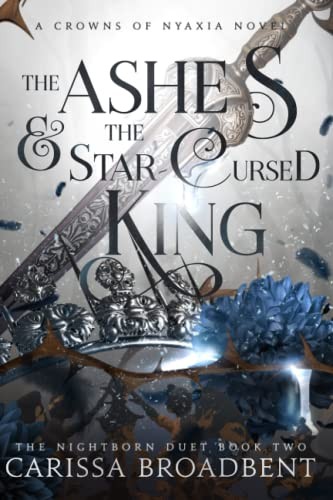
The Ashes and the Star-Cursed King
Oraya is a prisoner in the vampire kingdom she grew up in, and the man at the center of her captivity is the one she should hate most. Broadbent writes vampire court politics with the kind of specificity that makes Morganville fans feel at home, but she adds scorching spice and a romance that moves through betrayal, possession, and something close to grief. The morally gray MMC here earns that tag honestly. Start with book one, The Shadows Between Us, but this second installment is where the series becomes something genuinely hard to put down.
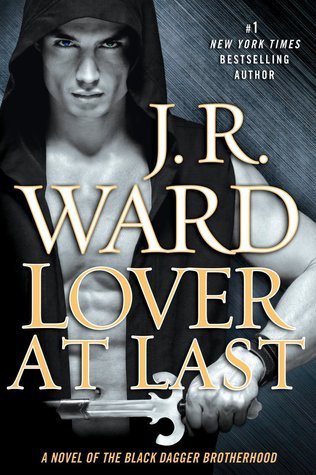
Lover at Last
The Black Dagger Brotherhood is what you read when you want Morganville's "found family of misfits trying to survive a vampire world" energy cranked up to maximum and pushed into adult romance territory. This particular installment follows Qhuinn, disavowed from his vampire bloodline, and his slow, devastating fall for his best friend. The BDB world has the same addictive quality as Morganville: once you're in, extracting yourself becomes a theoretical exercise. Fair warning that Ward's writing style is extremely maximalist, and either it clicks immediately or it doesn't.
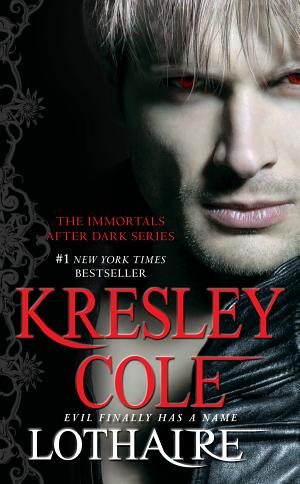
Lothaire
Lothaire is essentially what would happen if Morganville's Amelie had a romance novel. Ancient, monstrous, utterly convinced of his own righteousness, and genuinely dangerous. His love interest is a human woman from Appalachia who refuses to be impressed by any of it. Cole writes enemies-to-lovers with a kind of deranged commitment that fans of Morganville's power dynamics tend to find immediately satisfying. This is the spiciest pick on this list by a wide margin, and the MMC's moral greyness has actual teeth.
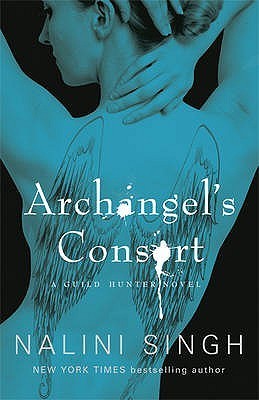
Archangel's Consort
Elena Deveraux hunts vampires for a living, which is a premise that overlaps with Morganville's energy in useful ways, except Singh's world adds archangels and a love interest who is categorically more dangerous than any vampire. The Guild Hunter series has a strong heroine who gets to be competent and scared and wrong sometimes, which mirrors what makes Claire Danvers work as a protagonist. The vampire political structure here is stratified and occasionally brutal, and Singh never lets Elena coast on her relationship with Raphael to avoid real danger.
For the Strong Heroine Who Earns It
Claire Danvers doesn't start as a fighter. She starts as a smart, scared teenager and becomes formidable through problem-solving, stubbornness, and bad decisions made for good reasons. These picks share that specific arc.
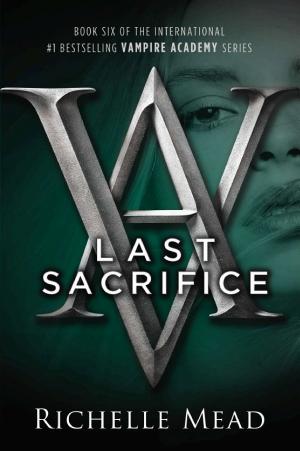
Last Sacrifice
The most direct comp to Morganville in terms of audience and energy. Rose Hathaway and Claire Danvers occupy the same emotional register: girls in over their heads in vampire political structures who refuse to stop moving forward. This finale to Vampire Academy pulls together six books of buildup and doesn't cheat any of it. If you somehow read Morganville without reading Vampire Academy first, correct that immediately. The forbidden romance, the bodyguard dynamic, and the way Mead handles vampire royalty all scratch similar itches.
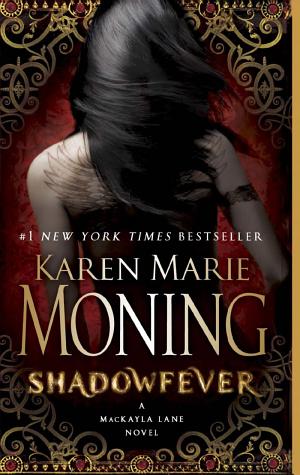
Shadowfever
If Claire Danvers grew up, moved to Dublin, and got dropped into something with considerably more existential horror and a love interest who is genuinely, deliberately terrifying, she might end up something like MacKayla Lane by book five of the Fever series. Shadowfever is the conclusion to the original five-book arc, and you need to start from book one, but this is where everything lands. Mac's transformation from party girl to something harder and stranger is one of the more compelling strong-heroine arcs in paranormal romance. The Fae here fill the same narrative role as Morganville's vampires: apex predators with their own politics who don't view humans as equals.
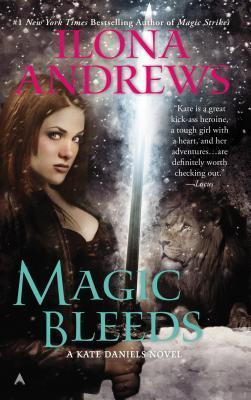
Magic Bleeds
Kate Daniels is probably the strongest "strong heroine" in paranormal romance, full stop, and we'll die on that hill. By book four, the tension between Kate and Curran that's been simmering since book one finally breaks open, and it's worth every single page of setup. The Kate Daniels world runs on post-apocalyptic magic-versus-tech Atlanta with a vampire political structure that is among the most creative in the genre. Morganville fans who want more world-building complexity and significantly more banter should start with Magic Bites and prepare to lose a week.
For the Found Family Ache
The Glass House crew, Shane-Eve-Michael-Claire, is the reason most people finish all fifteen books. These are reads where the chosen family is doing as much work as any romance.
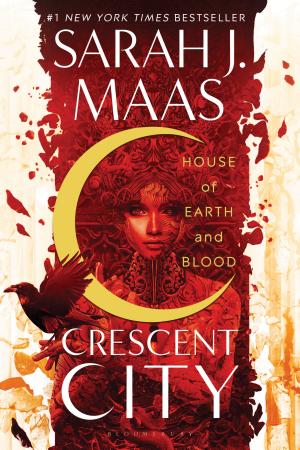
House of Earth and Blood
Crescent City is Sarah J. Maas doing urban fantasy, which means found family dynamics, supernatural politics, a grief arc that has real weight, and a mystery structure layered over the romance. Bryce Quinlan's friend group getting destroyed at the start of this book mirrors the Glass House crew being threatened throughout Morganville in ways that are probably intentional parallels or just the genre doing its thing. The Fae and vampire hierarchy in Crescent City scratches the same itch as Morganville's town structure, with more overt mythology and considerably more heat.
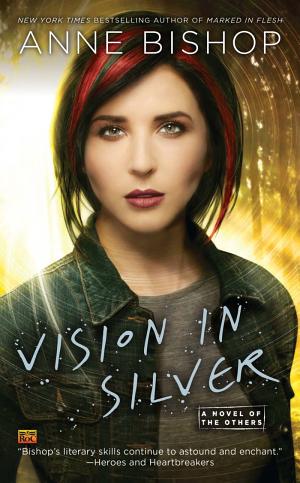
Vision in Silver
The Others series is what happens when the found family is the entire point and the romance is almost incidental. Meg Corbyn is a blood prophet living in a compound run by shape-shifters and vampires, and her friendships, particularly with Simon Wolfgard, carry the emotional load across five books. The tension here comes from human-versus-supernatural coexistence on the verge of collapse rather than any single villain. Morganville readers who were most attached to the town-as-character and the slow build of Meg and Simon's relationship will find something they didn't know they needed.
For the Dark & Gritty World-Building
Morganville commits to its darkness. These books do the same, with morally complicated worlds that don't resolve into easy categories.
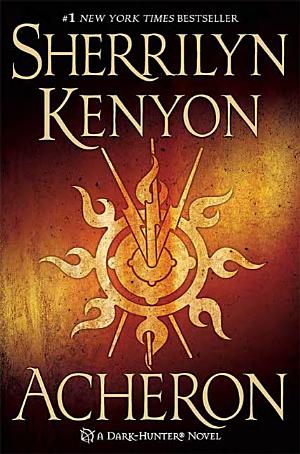
Acheron
You can pick up Acheron without reading the fourteen Dark-Hunter books before it, though you'll have more context if you do. This is the long-promised origin story of the series' most powerful and most damaged figure, and Kenyon goes to genuinely grim places in the first half before the romance enters. It's one of the darkest backstories in paranormal romance and one of the most earned payoffs. The Dark-Hunter world's vampire-adjacent mythology and immortal power hierarchies feel familiar to Morganville readers, and Kenyon's willingness to let her world be ugly before it gets better maps directly onto what Caine does across fifteen books.
Tell us what you love and what you avoid. Every book gets scored to match.
Create